
Planning the Via Podiensis (Le Puy route): Essential Tips from Pilgrims Who Know the Way


Planning to walk the Via Podiensis in France? Discover how to choose your daily stages, find accommodation, prepare for the terrain, and enjoy the journey at your own pace.
The Via Podiensis, also known as the Le Puy Camino or GR65, is a pilgrimage route stretching approximately 750 kilometres from Le Puy-en-Velay to Saint-Jean-Pied-de-Port in southwestern France. It's one of the most beautiful routes of the Camino de Santiago, but planning it requires a little more thought than you might expect.
Accommodation isn't always evenly spaced, some villages have limited services, and the terrain can be challenging. Choosing realistic daily distances is particularly important.
We're Robert and Kate, and we've walked the Via Podiensis many times. Here's what we've learned along the way — and how to make planning your own Camino a whole lot easier.
Why Walk the Via Podiensis?
There's something special about setting off from Le Puy-en-Velay.
Perhaps it's the magnificent cathedral, the excitement of those first steps, or the thought of all that beautiful French countryside waiting to be explored.
The Via Podiensis takes you across the windswept Aubrac plateau, through the medieval streets of Conques, into the dramatic Lot Valley, and onwards through the Quercy and Gascony towards the Pyrenees.
It's a journey of changing landscapes, wonderful encounters, welcoming gîtes, and villages where life often moves at a gentler pace.
We've returned to this route again and again, and it never seems to lose its appeal.
But we've also learned that having the right information can make an enormous difference to your experience.

How Far Should You Walk Each Day on the Via Podiensis?
Your daily walking distance should depend on your fitness, the terrain, and how much time you want to spend enjoying the journey.
There's no single distance that suits every pilgrim.
The Via Podiensis has some significant climbs and descents, particularly in its earlier sections. The Aubrac plateau can also bring rapidly changing weather.
And 20 kilometres on relatively flat ground is quite different from 20 kilometres with several demanding climbs.
Many traditional guidebooks divide the route into fixed daily stages. But what if those stages don't suit you?
Perhaps you enjoy walking 25 kilometres a day. Perhaps 15 is quite enough. Or perhaps you've discovered a beautiful village where you'd rather linger over lunch than hurry onwards.
Why shouldn't you?
That's why Robert designed Walking the Via Podiensis Made Simple around flexible sections rather than fixed daily stages.
With maps, distances, elevation profiles, and information about the villages along the way, you can create walking days that suit your own pace.
Your Camino. Your pace. Your way.
Do You Need to Book Accommodation on the Via Podiensis?
Booking ahead is generally advisable, particularly during busy walking periods and in areas where accommodation is limited.
Unlike some stretches of the Camino Francés in Spain, accommodation on the Via Podiensis isn't always conveniently spaced.
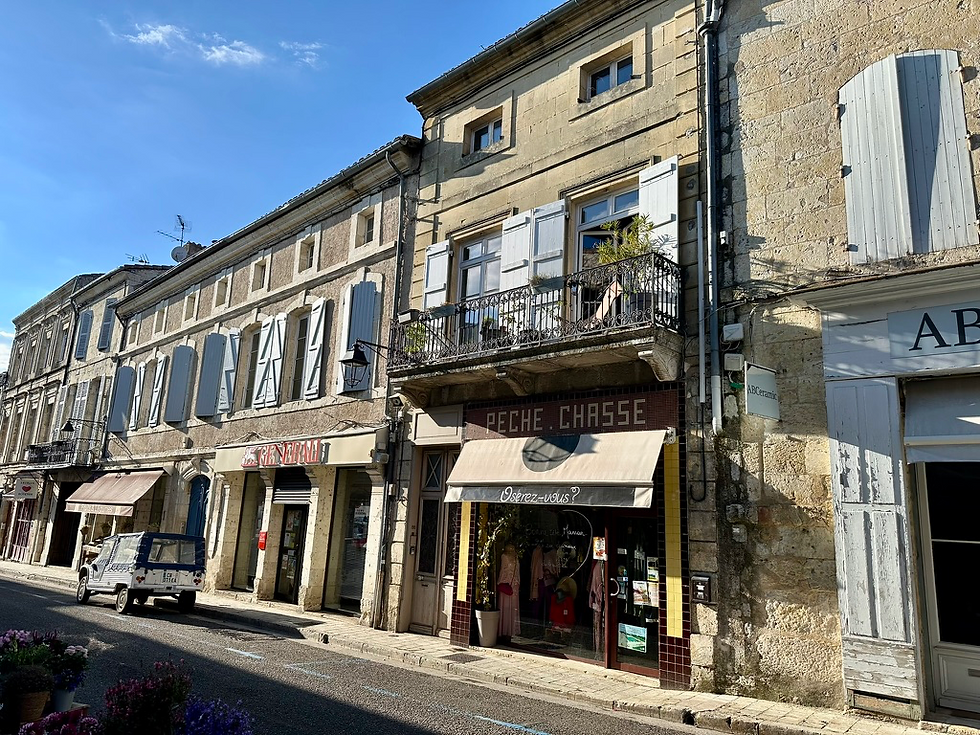
There are wonderful gîtes, chambres d'hôtes, and small hotels, but some villages have several options while others have very few.
And finding somewhere to stay isn't simply a matter of choosing a place on a map. You also need to consider how far you've walked, the terrain ahead, and where you'd like to stop the following day.
This can make planning surprisingly time-consuming.
Robert's guide includes a comprehensive, linked listing of gîtes, with contact details, accommodation options, and published pricing information.
Instead of spending hours jumping between websites, you can explore your options alongside the route information.
Accommodation details can change, of course, so always confirm current availability and prices directly.
To plan your route, the Via Podiensis (le Puy route).

Are There Shops, Cafés, and Restaurants Along the Via Podiensis?
Yes, but services can be limited in smaller villages, and you shouldn't assume you'll find an open shop or café whenever you need one.
Ah, the joys of rural France!
You've been walking for hours. You're dreaming of a coffee, a fresh baguette, perhaps a delicious little pastry.
You arrive in the next village.
Everything is closed.
We've all been there!
Opening hours can be limited, especially on Sundays, Mondays, and public holidays.
Our advice is simple: before setting off each morning, check where you can buy food, refill your water, and find essential services. Carry something to eat in case your plans don't work out.
Robert's guide includes information about communities and services along the route, helping you prepare for each walking day.
Because sometimes knowing where to find your next baguette is every bit as useful as knowing how far you have to walk!
Can You Walk the Via Podiensis Without Following Fixed Stages?
Absolutely.
You can create your own daily stages, provided you take account of the terrain, distances, accommodation, and services available along the way.
In fact, this is the philosophy behind Robert's guide.
We've always believed that one of the great pleasures of the Camino is discovering your own rhythm.
Some days you may feel like walking farther. Other days you may want to stop early, explore a village, or simply enjoy a leisurely afternoon.
Good planning doesn't take away the adventure.
It gives you more freedom.
There's a difference between leaving room for spontaneity and spending your evenings worrying about where you're going to sleep tomorrow.
Having reliable practical information means you can make decisions with confidence — without organising every minute of your journey.

A Via Podiensis Guide Created from Firsthand Experience
After walking the Via Podiensis many times with his wife Kate, Robert wanted to make planning this beautiful route simpler for other pilgrims.
He knew the challenges firsthand: demanding climbs, limited village services, accommodation decisions, and the frustration of trying to piece together information from different sources.
The result is Walking the Via Podiensis Made Simple — 2026 Edition, a practical digital guide designed to help you plan the route on your own terms.
What's Included in Robert's Via Podiensis Guide?
Flexible route sections: Create your own daily walking stages instead of following a rigid itinerary.
Detailed maps and elevation profiles: Understand distances, climbs, descents, and difficulty bands.
Villages and services: Find practical information about communities along the route.
Linked gîte listings: Access accommodation information, contact details, options, and published prices.
Célé Valley and Rocamadour variants: Explore two alternative routes through beautiful parts of France.
Phone-friendly digital format: Keep the guide handy while walking, without adding weight to your backpack.
And behind it all is the experience of pilgrims who know this route from having walked it repeatedly.
Not simply from studying a map, but from experiencing its hills, villages, hospitality, and occasional surprises.
We're also the founders of the largest English-speaking Facebook community dedicated to the Via Podiensis — a lively, welcoming group where pilgrims share experiences, ask questions, exchange practical advice, and help one another prepare for their journey.
It's a wonderful place to learn about the route, and another way we stay closely connected to the people who walk it.
Frequently Asked Questions About Planning the Via Podiensis/ Le Puy route
How long does it take to walk from Le Puy-en-Velay to Saint-Jean-Pied-de-Port?
The route is approximately 750 kilometres. Many pilgrims allow around four to six weeks, depending on their walking pace, rest days, and route choices. You can also complete it in shorter sections over several trips.
Is the Via Podiensis suitable for beginners?
Yes, with suitable preparation. Some sections are physically demanding, so it's important to train beforehand, understand the elevation profiles, and choose manageable daily distances.
When is the best time to walk the Via Podiensis?
Late spring and early autumn are popular choices, although each season has advantages and challenges. Weather, accommodation availability, and personal preferences all matter.
For more detail, read our blog post: Best Time to Walk the Via Podiensis (Season-by-Season Guide).

Ready to Plan Your Via Podiensis Adventure?
Whether you're preparing for your first Camino or returning to France for another adventure, the Via Podiensis is a journey worth savouring.
Take your time. Explore the villages. Talk to people. Enjoy that second coffee.
Walk the distances that feel right for you.
And let Robert help you with the practicalities.
Walking the Via Podiensis Made Simple — 2026 Edition
Created from Robert and Kate's many walks along the route, this digital guide brings together the practical information you need to plan your own Camino.
Just $15.99
Happy planning, and Bon Chemin!
Robert & Kate Forrester
Camino Way of Life
About Robert & Kate

Robert and Kate Forrester are the founders of Our Camino Way of Life and passionate Camino pilgrims who have walked the Via Podiensis many times. Robert is the author of Walking the Via Podiensis Made Simple, a practical digital guide designed to help pilgrims plan their journey with confidence and freedom.
Together, they also run one of the largest English-speaking Facebook communities dedicated to the Via Podiensis, where pilgrims share experiences, ask questions, and help one another prepare for the adventure ahead.


Comments