
What 13 Years of Helping Pilgrims Walk the Via Podiensis/GR65 Has Taught Us

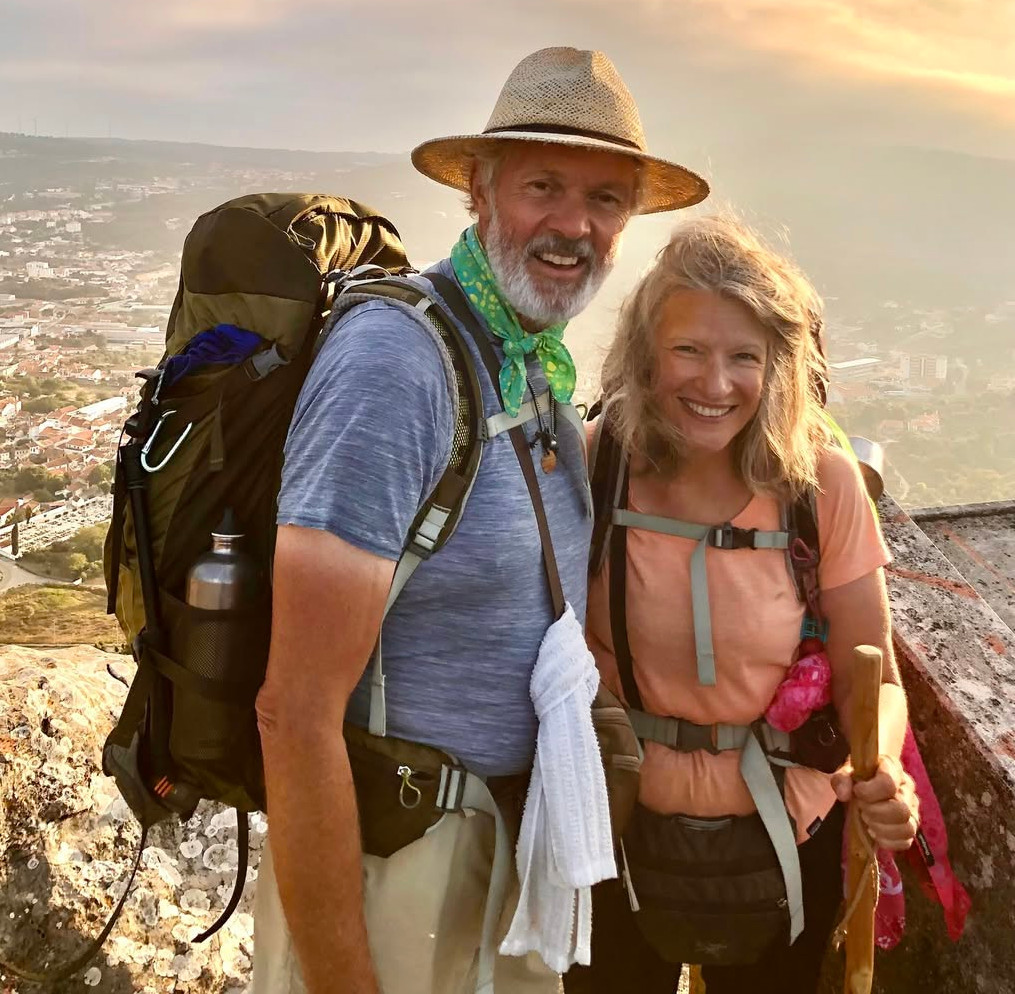
In 2011, Robert walked out of Le Puy-en-Velay with a backpack on his shoulders and Santiago somewhere a very long way ahead.
He couldn’t have known then where that walk would lead.
Two years later, in 2013, he created a small Facebook group for English-speaking pilgrims interested in walking the Via Podiensis. I joined him the following year.
There was no grand plan.
We certainly weren’t setting out to become experts on anything. We were simply interested in this extraordinary route across France and wanted to create a place where people could ask questions, exchange information and help one another.
Thirteen years later, that little Facebook group has more than 11,000 members and has become the oldest and largest English-speaking Facebook community dedicated to the Via Podiensis.
And somewhere along the way, something else happened.
The questions started teaching us.
Where should I stay?
How far should I walk?
Do I need to book ahead?
What does demi-pension mean?
Can I walk alone?
How much French do I need?
Will I be able to find food?
What happens if I can’t manage the distance between two villages?
We answered those questions. Then we answered them again. And again.
We walked the route ourselves. We went back. We walked different sections and variants. We stayed in the gîtes, ate around communal tables, got lost occasionally, found our way again, discovered places we loved and watched the route change over the years.
But just as importantly, we listened.
Thousands of pilgrims passed through the group and came back with their own experiences. They told us what worked, what didn’t, what surprised them, what frightened them before they left and what turned out not to matter very much at all.
And gradually, the resources we provide today grew out of those conversations.
It started with a spreadsheet
The old spreadsheet List of gîtes with live links and services Elevation profile for 2 to 3 days of walking
For years, Robert maintained a simple accommodation spreadsheet.
It was on a donativo basis. It was practical. It was there because people needed it.
Over time, it grew.
Pilgrims needed more than names and telephone numbers. They wanted to understand what services were available, where they could buy food, how accommodation worked, how to get to and from the route, what alternatives existed and what the terrain ahead looked like.
Eventually, that spreadsheet became Walking the Via Podiensis / GR65 Made Simple.
The philosophy behind it, however, hasn’t changed very much.
We don’t want to tell you how to walk your Camino.
We want to give you enough good information to make your own decisions.
That’s why the guide doesn’t divide the Via Podiensis into prescribed daily stages. Instead, it gives you the information you need to create stages that work for you.
Your legs.
Your time.
Your interests.
Your Camino.
And then there was the language
Over the years, another question kept appearing.
“Do I need to speak French?”

As a Frenchwoman who has spent much of her life teaching languages, I knew that what pilgrims needed wasn’t really a French course.
They needed confidence.
They needed to be able to walk into a gîte and introduce themselves. Telephone to reserve a bed. Order a coffee. Ask whether dinner was included. Explain that they were vegetarian. Ask for something at a pharmacy. Understand a few of the questions they would hear every day.
So French for the Camino grew from that need too.
Again, the community came first. The resource followed.
Expertise isn’t only knowing the route
There are people in France who know the Via Podiensis extraordinarily well.
There are guidebook writers, app developers, historians, associations, hébergeurs and people who have spent their lives along the route. We have learned from many of them, and we’re grateful that so much knowledge about this Camino exists.
We don’t need to know more than everybody else.
What we do know extraordinarily well is the experience of the English-speaking pilgrim arriving in France to walk the Via Podiensis.
After thirteen years, we know the questions.
We know where the confusion tends to be.
We know what people worry about before they leave.
We know which things they think will be difficult and often aren’t — and which things catch them completely by surprise.
And perhaps that is a different kind of expertise.
Sometimes a message means a lot
Recently, a pilgrim who had used Rob’s guide sent us a message after her walk. At the end, almost as an aside, she added:
“I also wanted to say, my husband was following my walk by referring to your book all the way. His comment was that it was much better than John Brierley’s! 🌻”
We smiled.
John Brierley’s Camino guides have been used by generations of pilgrims, so it was quite a compliment.
But what touched us most wasn’t really the comparison.
It was the thought of her husband at home, following her journey through the pages of something that had begun, all those years ago, as a simple spreadsheet of places to stay.
That felt rather wonderful.
And perhaps it told us something about how far this little project had travelled too.
13 Years of Walking the Via Podiensis GR65

The Facebook group is much bigger now, but it is also much richer — shaped by the experiences, knowledge and generosity of thousands of pilgrims who have shared what they’ve learned along the way.
The Via Podiensis has changed too. There are more English-speaking pilgrims, more information, more websites, more apps and more ways of planning a Camino than there were in 2013.
But what we want the group to be hasn’t changed very much.
A place to ask.
A place to answer.
A place where someone planning their first Camino can benefit from someone who walked yesterday — or ten years ago.
A place where knowledge is shared generously.
And perhaps that’s the most important thing thirteen years have taught us:
Nobody owns the Camino.
We receive it from the people who walked before us. We experience it for ourselves. And then, if we’re lucky, we pass something useful on to the people coming behind.
That’s what Robert started in 2013.
And thirteen years later, that’s still what we’re trying to do.
About the author
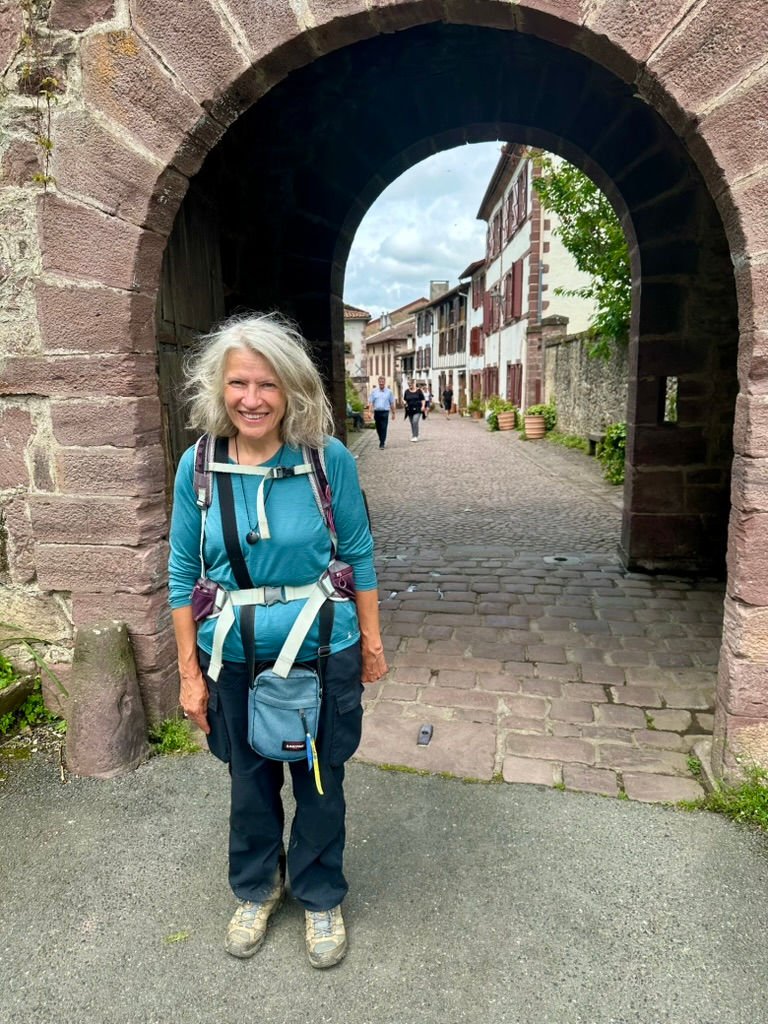
Kate Forrester is a French-British writer, pilgrim and co-admin of the Camino Le Puy (GR65 – Via Podiensis) community. She first walked the Via Podiensis in 2015 and has returned to the route many times since. Together with her husband Robert, she has spent years helping English-speaking pilgrims discover and navigate the Camino through France.
A former language teacher and qualified sophrologist, Kate writes about the practical, cultural and human sides of pilgrimage — and about what happens to us when we walk.
She now lives in Pamplona, on the Camino Francés.


Comments